February 10, 2026
According to Therman Law Offices, vehicles from model years 2020 to 2024 make up only 12% of the U.S. fleet, so nearly nine out of 10 vehicles on the road are at least a few years old and more likely to require repair or maintenance work. That makes brake awareness more important than ever. Older vehicles, or those that have seen frequent city driving, stop-and-go traffic, or heavy loads, may experience more wear on brake components. Understanding potential issues is helpful for any driver. Monitoring how brakes perform during different conditions can provide useful insight into when professional attention may be needed.
Below are some of the most common indicators that your vehicle may need professional brake repair. Paying attention to several signs at once can help drivers determine the overall condition of the braking system and decide when intervention is appropriate. Early recognition often leads to safer operation and more manageable maintenance.
Squealing or Grinding Noises
Unusual sounds when braking are often the first sign something is not right. A high-pitched squeal usually indicates that brake pads are wearing thin. Many pads are designed to make noise once they reach a certain wear level as a built-in warning system. Paying attention to changes in noise patterns, such as frequency or volume, can help you catch issues before they escalate. These sounds should never be ignored, even if they appear sporadically or only under certain conditions.
Reduced Braking Responsiveness
If your vehicle takes longer to stop than it used to, or if the brake pedal feels less responsive, it is time for an inspection. Sluggish braking can be caused by worn brake pads, compromised rotors, or issues with brake fluid. Noticing subtle changes over time can help drivers schedule maintenance before the problem worsens and affect safety.
A responsive braking system should feel firm and predictable. Any delay or softness when pressing the pedal reduces stopping power and increases the risk of accidents, especially in traffic or emergency situations. Paying attention to how your vehicle responds in different environments, such as uphill, downhill, or in wet conditions, provides additional insight into brake performance and overall system health. Observing these subtle differences can be an important part of preventative brake repair.
Vibrations When Braking
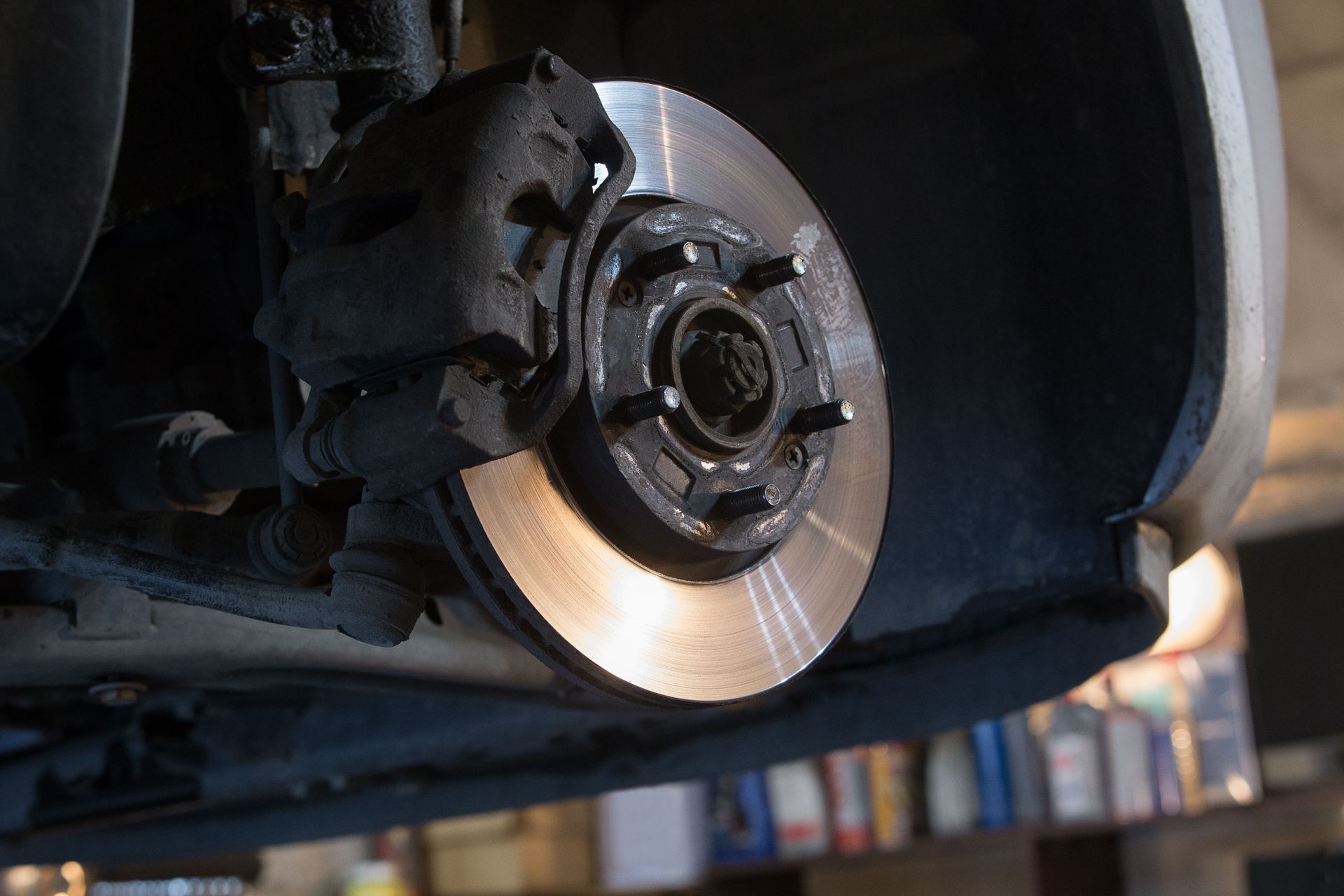
A vibrating or pulsating brake pedal often points to uneven or warped rotors. This can occur over time due to heat buildup, frequent hard braking, or general wear. Vibrations may also be felt through the steering wheel when braking at higher speeds. While the sensation may be mild at first, it can become more pronounced if not addressed over time, potentially affecting other connected components.
Ignoring this symptom can lead to increased stress on other brake components and reduced braking efficiency. Brake repair services, such as rotor resurfacing or replacement, can restore smooth, controlled stopping. Routine inspections also help identify underlying causes of vibration before they affect additional parts of the braking system. Timely attention allows drivers to maintain predictable and steady performance on the road.
Brake Warning Light Activation
Modern vehicles have dashboard warning lights designed to alert drivers to brake system issues. If the brake warning light turns on, it is important to have the system inspected. Professional diagnostics can determine if pads, rotors, brake fluid, or other brake components need attention. Regularly monitoring warning lights and responding promptly helps maintain overall system performance and prevents unexpected breakdowns or more extensive damage.
Spongy or Soft Brake Pedal
A brake pedal that feels spongy or sinks closer to the floor may signal a brake fluid issue. Air in the brake lines or old, contaminated fluid can prevent proper pressure from building in the system. Even small changes in pedal feel can indicate early signs of system wear, which can be addressed before they affect stopping distance. Paying attention to these subtle differences supports ongoing brake repair and system health.
Brake fluid flushes and inspections help maintain hydraulic pressure and ensure consistent braking performance. Addressing fluid-related issues promptly can prevent more serious system failures. Additionally, regular fluid maintenance supports the overall efficiency of the braking system and helps maintain steady performance under varied driving conditions, contributing to safer operation over time.
Pulling to One Side While Braking
If your vehicle pulls left or right when you apply the brakes, it may indicate uneven brake pad wear, caliper issues, or differences in braking force between wheels. This can make the vehicle harder to control and increase tire wear. Observing whether pulling occurs consistently or under specific conditions provides useful information for professional evaluation. Timely attention to uneven braking ensures smoother handling and reduces additional wear on connected systems.
Longer Stopping Distances
If you notice that your vehicle needs more distance to come to a complete stop, even under normal driving conditions, this could be a sign of worn brake components. Gradual changes can be hard to notice, which is why routine inspections are so important. Monitoring stopping distance in different scenarios, such as city driving or highway conditions, provides additional insight into brake health and maintenance needs.
Brake pads, rotors, and brake fluid all play a role in stopping distance. Timely brake repair helps restore proper stopping power and keeps drivers safer on the road. Paying attention to subtle differences in performance can help identify issues before they become more pronounced or affect other systems. Regular assessment of braking performance is an essential part of overall vehicle maintenance and safety.
Frequent Need for Brake Repair
Delaying brake repairs can lead to more extensive damage and higher costs over time. Worn brake pads can wear down rotors faster than expected, while fluid issues can reduce braking pressure and consistency. Ignoring early warning signs often allows minor problems to grow into safety concerns that affect multiple parts of the braking system. Even small, ongoing issues can gradually influence overall brake performance, making professional evaluation important.
Routine brake inspections and timely repairs help maintain consistent stopping power by ensuring brake pads, rotors, calipers, and hydraulic components are working together as designed. When these parts are properly maintained, drivers experience smoother, more predictable braking in both everyday traffic and emergency situations. Keeping an eye on multiple indicators during regular driving helps highlight areas that need attention and ensures effective maintenance planning.
Prompt brake repair also helps prevent damage to rotors and calipers. Brake pads are designed to wear out first, protecting more expensive components. Replacing pads at the right time reduces excessive friction and heat, which can otherwise lead to warped rotors or caliper strain requiring more involved repairs. Simple preventative measures make repairs more straightforward and reduce long-term wear on components, preserving overall system performance.
Addressing issues early also reduces the likelihood of sudden brake failure. Problems such as severely worn pads, compromised fluid, or uneven braking pressure rarely happen overnight. Regular inspections make it easier to catch these concerns before they impact safety or leave a vehicle unable to stop effectively. Scheduling routine evaluations ensures that the braking system continues to operate smoothly and consistently over time, supporting overall vehicle performance and safety.
Any unusual noise, vibration, warning light, or change in braking performance should be evaluated promptly to prevent minor issues from becoming costly problems. Staying proactive with brake maintenance helps keep your vehicle performing at its best and operating safely under a variety of conditions. Learn more about our professional brake repair and maintenance services that can inspect, diagnose, and service all major brake components to help your brakes function properly and last longer.